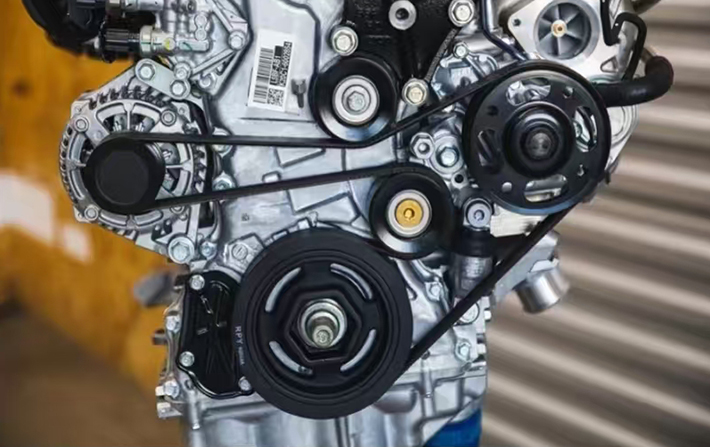
The engine water pump belt (also known as the timing belt or accessory drive belt) is a critical component in a vehicle’s power transmission system. It drives essential components like the water pump, alternator, and air conditioning compressor. A loose belt can compromise engine performance, trigger cascading failures, and even endanger safety. Below are six major consequences of a loose water pump belt:
I. Cooling System Failure & Engine Overheating
The water pump circulates coolant to regulate engine temperature. A loose belt reduces or halts the pump’s rotation, stopping coolant flow and causing rapid overheating. If unaddressed, this can lead to:
Warped or cracked cylinder heads
Piston seizure (engine "lock-up")
Melted sensors or wiring harnesses
Overheating repairs can cost over 30% of a vehicle’s total value.
II. Power System Chain Reactions
Modern belts often drive multiple components simultaneously:
1. Alternator Underperformance: Slipping reduces charging efficiency, causing dim headlights or electrical failures.
2. AC Breakdown: Compressor malfunction leads to loss of cooling, risking driver discomfort in hot weather.
3. Steering Issues: Hydraulic power steering pumps (belt-driven) may stiffen, increasing steering effort.
III. Abnormal Noises and Vibrations
A loose belt creates distinct warning sounds:
High-pitched squealing: Belt slipping on pulleys.
Slapping noises: Belt flapping against covers.
Resonant vibrations: Imbalanced drivetrain harmonics.
These sounds signal urgent mechanical issues.
IV. Increased Belt Fracture Risk
Uneven tension accelerates wear:
Cracking: Surface grooves deeper than 1mm demand immediate replacement.
Fiber layer separation: Broken internal reinforcement cords weaken the belt.
Tooth wear: Timing belt teeth grinding raises jump-risk.
Studies show belts 20% looser than specs have 5x higher rupture rates.
V. Secondary Mechanical Damage
Complete belt failure can be catastrophic:
Timing misalignment: Interference engines may suffer piston-valve collisions, incurring $1,000+ repairs.
Debris damage: Shredded belt fragments can destroy seals or sensors.
Sudden breakdown: Power loss at highway speeds increases collision risks.
VI. Increased Fuel Consumption & Emissions
Belt slippage forces the engine to work harder:
1. Accessory inefficiency raises engine load by ~15%.
2. Combustion chamber abnormalities trigger knocking, forcing ECU ignition delays.
3. Persistent issues may log fault codes (e.g., P0217 "Engine Overheat").
Tests show loose belts increase fuel use by 0.5–1L/100km and emissions by 40%.
Prevention & Solutions
1. Regular Checks: Inspect belt tension every 10,000 km (mid-span deflection: 6–10mm).
2. Replacement Intervals: Replace rubber belts every 4–6 years or 80,000–100,000 km; follow manual guidelines for timing belts.
3. Emergency Response: Stop driving if noises or looseness occur.
4. Professional Service: Replace belts with tensioners/idler pulleys to ensure system integrity.
Summary
The water pump belt is the engine’s lifeline. Routine inspections and prompt repairs can prevent costly damage and ensure road safety. A 10-minute check today might save thousands in repairs tomorrow.